The Journal
What Exactly Is an AP? Understanding Artist Proofs in Fine Art
By Casey Kaplan
If you’ve ever sourced prints for a client or browsed works on paper from modern masters, you’ve likely come across the term AP or Artist Proof. Many clients and designers ask me what an AP actually means and why it carries value, so I wanted to create a clear and easy guide you can reference anytime you encounter editioned prints.
Artist Proofs are deeply rooted in the traditions of 19th and 20th century printmaking, especially in the workshops where artists like Picasso, Chagall, Miró, Matisse, and Dalí collaborated closely with master printers. To understand APs, it helps to understand how prints were made before digital technology, when every impression was the result of a meticulous hands-on process.
What Is an Artist Proof?
An Artist Proof, marked as AP or E.A. (short for Épreuve d’Artiste), is a limited number of prints pulled outside of the regular numbered edition. Historically, APs were created so the artist and printer could:
Review the quality of the image
Adjust inking, pressure, or tone
Ensure the plate or stone was ready for the official edition
Approve the “final state” before printing
These proofs were essential working tools in the studio. They reflect the collaborative dance between artist and printer, where each proof guided subtle refinements in the artwork.
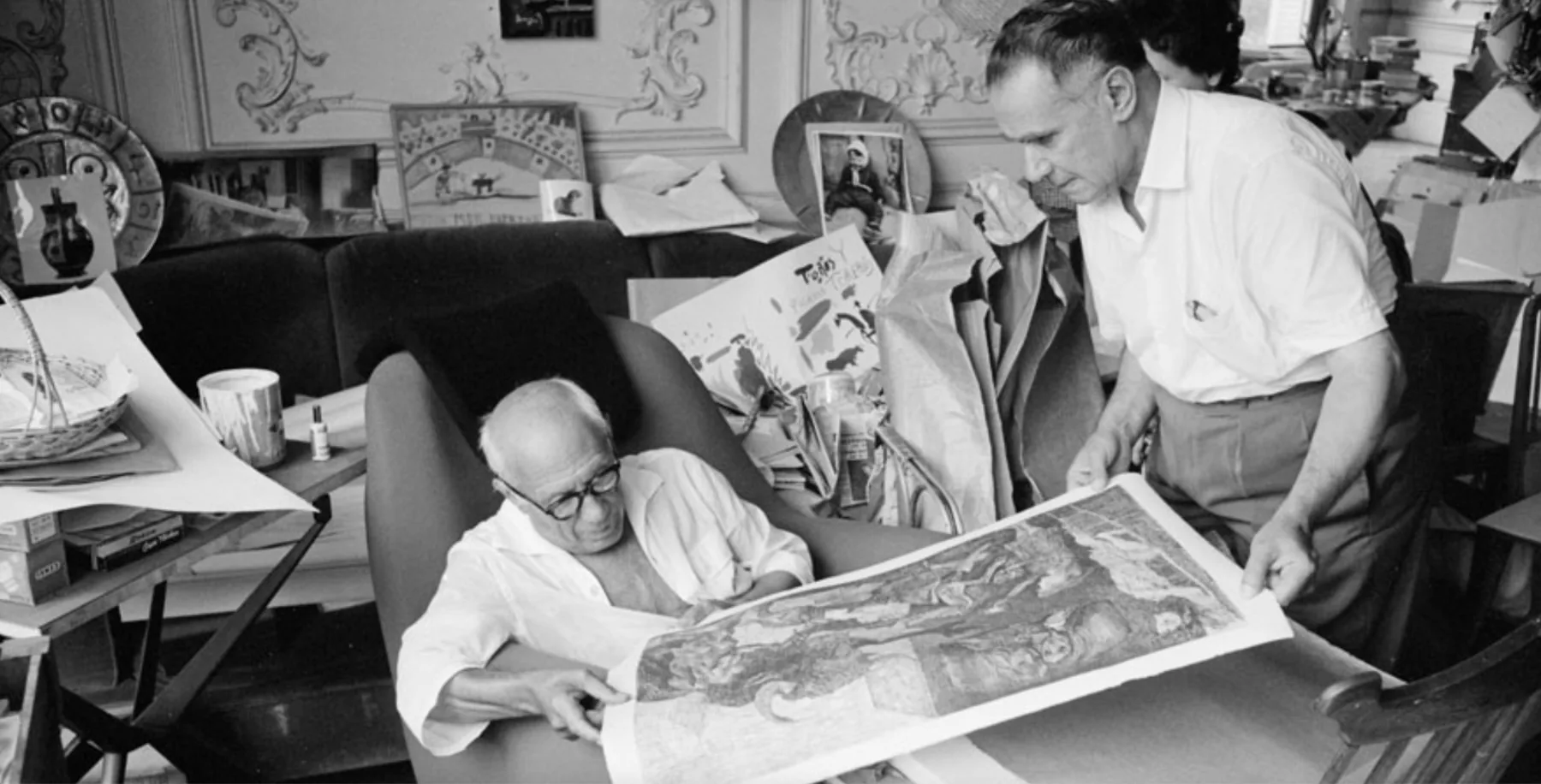
A Common Misconception: Were the First Prints the Final Representation?
Not exactly.
It’s true that iconic printmakers like Picasso reviewed early impressions to determine if the plate was ready. But here is the correct sequence:
The artist pulls trial proofs (not yet APs) to evaluate adjustments.
Once the artist approves the final image, the master printer begins printing the official edition (example: an edition of 50).
Alongside this edition, a small percentage of prints—usually around 10 percent—are designated as Artist Proofs.
So if an edition is 50, you might see five APs, each marked separately and never included in the numbering (1/50, 2/50, etc.).
Picasso did not select “the first three prints” as the final representation. Instead, he approved the plate using trial proofs, and then APs were printed as part of the “special reserve” for the artist.
Why Are Artist Proofs More Valuable?
Today, APs often hold the same or slightly higher value than numbered edition prints. Here’s why:
1. Scarcity
There are always fewer APs than edition prints. The rarity alone adds collectible value.
2. Artist Retention
Historically, APs were kept by the artist, gifted to friends, or reserved for collaborators. They carry an intimacy and provenance that many collectors appreciate.
3. Prestige in Printmaking Tradition
Collectors love APs because they connect directly to the studio process. They represent the artist’s involvement, inspection, and approval.
Do APs Look Different From Edition Prints?
Generally, no.
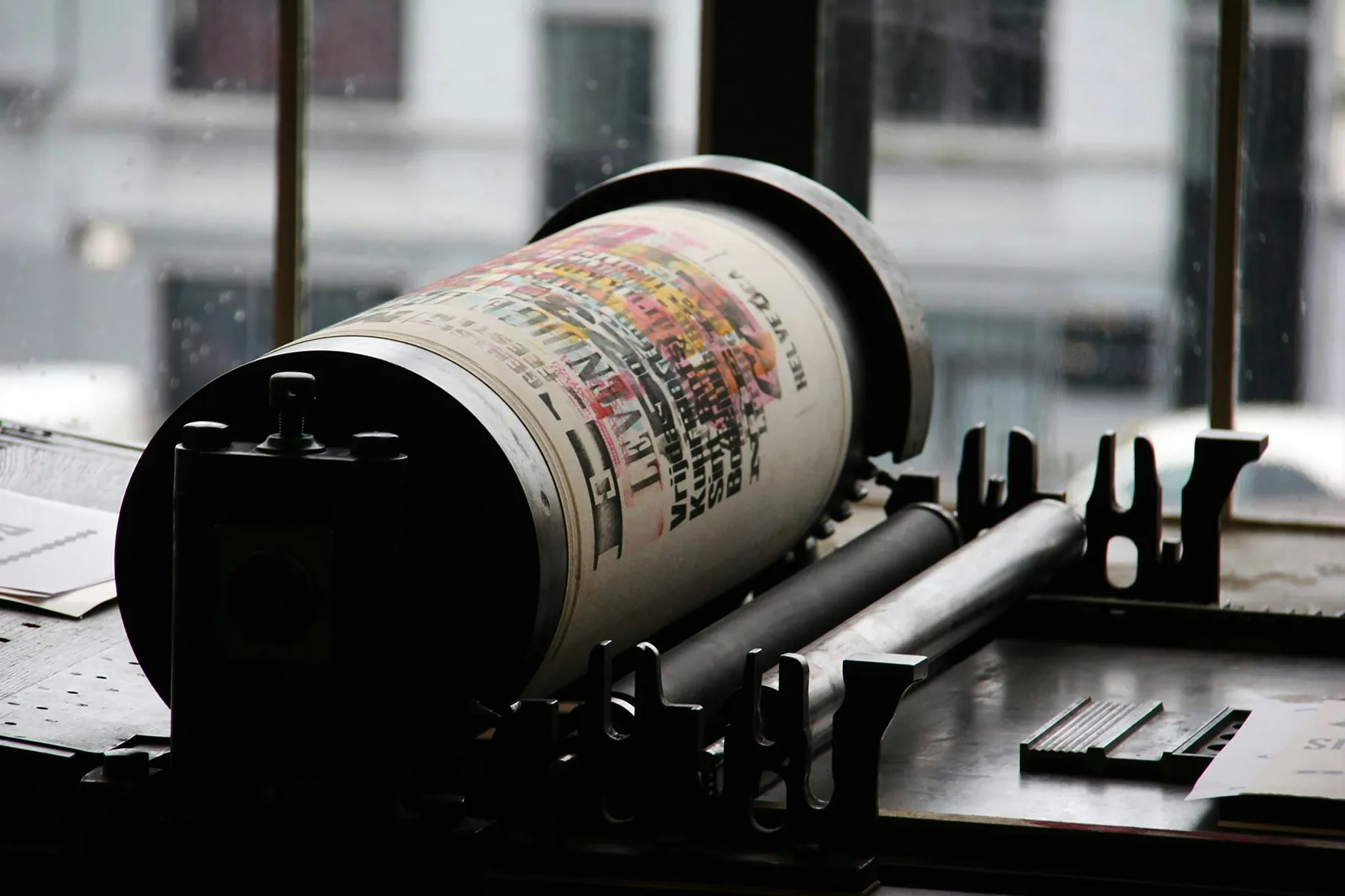
By the time APs are created, the plate has already been approved and is printing consistently. APs are usually identical to numbered prints.
It’s the trial proofs (TP) that may show visual variations, experiments in color, or slight tonal differences. Some collectors specifically seek out these experimental proofs, but they are not the same as Artist Proofs.
Why Designers Should Care About APs
APs can be a perfect choice for clients who appreciate:
Collectible versions of works by important artists
A closer connection to the artist’s hand
A sense of rarity and prestige
Strong long-term investment value
If you are sourcing work from 20th century masters or contemporary printmakers, understanding APs helps you speak with authority, guide your clients wisely, and select pieces with meaningful history.
The Beauty of Printmaking Lives On
From Picasso stepping into the print shop with Fernand Mourlot, to contemporary artists embracing digital and 3D-printed processes, the Artist Proof remains a testament to the craft of making multiples. It represents quality, intention, and the physical presence of the artist in the creation of the work.
At Artmonious, we honor that history by helping designers and collectors understand the nuances behind every medium. If you ever come across an artwork marked AP and want a second opinion, we are always here to help.